


Brushing your teeth every day is one of the most important steps toward maintaining a healthy smile. However, if you keep developing cavities despite a consistent brushing routine, you may wonder what you’re doing wrong.
The truth is that brushing alone cannot eliminate every risk factor for tooth decay. Your diet, brushing technique, saliva production, genetics, and daily habits can all influence your oral health.
At Uvalde Family Dental in Uvalde, TX, we encourage patients to understand what contributes to tooth decay so they can protect their teeth more effectively.
How Do Cavities Develop?
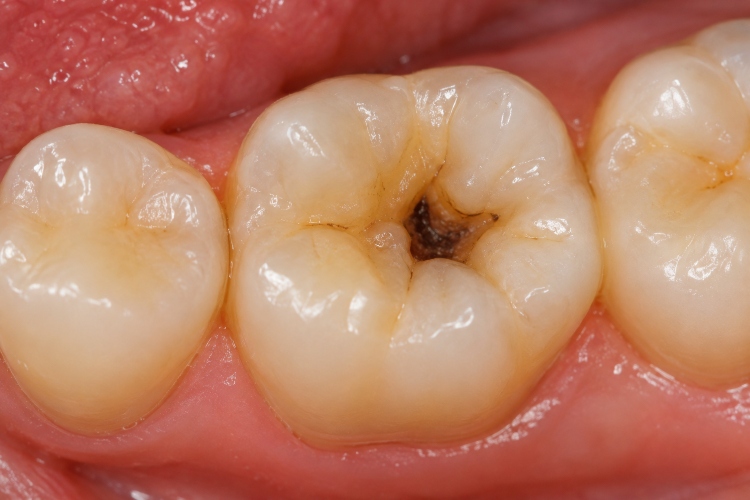
Cavities develop when bacteria in your mouth feed on sugars and starches, producing acids that gradually weaken your tooth enamel. Over time, repeated acid exposure can break down minerals, eventually creating a hole in the tooth.
Although brushing helps remove plaque and bacteria, certain areas of your mouth may remain vulnerable to decay. Understanding your individual risk factors can help you prevent recurring cavities.
7 Reasons You May Keep Getting Cavities
1. You May Not Be Brushing Effectively
Brushing twice a day is important, but your technique matters just as much as how often you brush.
Brushing too quickly or overlooking hard-to-reach areas allows plaque to accumulate. The back teeth, gumline, and inner surfaces of your teeth are particularly easy to miss.
For more effective brushing:
- Brush twice daily for two minutes.
- Use a soft-bristled toothbrush.
- Hold your toothbrush at a 45-degree angle toward your gumline.
- Clean every surface of your teeth.
- Use fluoride toothpaste.
An electric toothbrush may also help remove plaque, especially if you have difficulty maintaining proper brushing technique.
2. You Aren’t Cleaning Between Your Teeth
Even thorough brushing cannot effectively reach every space between your teeth. Food particles and plaque can accumulate in these areas, increasing your risk of developing cavities.
Cavities between teeth are often difficult to detect without a dental examination or X-rays.
Daily flossing or using an appropriate interdental cleaning device helps remove plaque from areas your toothbrush cannot reach.
3. You Frequently Snack or Drink Sugary Beverages
How frequently you consume sugar can be just as important as how much you consume.
Every time you eat sugary or starchy foods, bacteria produce acids that attack your enamel. Frequent snacking or sipping sweetened beverages throughout the day prolongs this exposure.
Common contributors include:
- Soda and sports drinks
- Sweetened coffee and tea
- Candy and dried fruit
- Crackers and chips
- Sweetened fruit juices
Drinking water between meals and limiting frequent snacking can give your saliva more time to neutralize acids and protect your teeth.
4. You Have Dry Mouth
Saliva plays an important role in preventing cavities. It helps wash away food particles, neutralize acids, and supply minerals that strengthen enamel.
When your mouth does not produce enough saliva, your risk of tooth decay increases.
Dry mouth can result from certain medications, dehydration, medical conditions, or mouth breathing.
Staying hydrated and discussing persistent dry mouth with your dentist can help you identify its cause and explore appropriate treatment options.
5. You Aren’t Getting Enough Fluoride
Fluoride strengthens tooth enamel and helps repair early mineral loss before a cavity forms.
Using fluoride-free toothpaste or having limited fluoride exposure may leave your teeth more vulnerable to decay.
Your dentist may recommend professional fluoride treatments or prescription-strength fluoride toothpaste if you frequently develop cavities.
6. Your Teeth Have Deep Grooves or Exposed Roots
Some people have naturally deep grooves in their molars that make plaque and food particles difficult to remove.
Additionally, receding gums can expose tooth roots, which are less resistant to acid damage than enamel.
Your dentist can identify these vulnerable areas and recommend preventive measures, such as dental sealants or fluoride treatments, when appropriate.
7. You Aren’t Receiving Regular Dental Cleanings and Exams
Even with excellent oral hygiene, plaque can harden into tartar, which regular brushing can’t remove.
Professional dental cleanings remove hardened deposits, while routine dental exams help identify early signs of decay and other oral health concerns.
Your dentist can also evaluate your cavity risk and recommend a preventive care schedule based on your individual needs.
How Can You Prevent Recurring Cavities?
Reducing your risk of tooth decay requires consistent home care and professional dental treatment.
Consider incorporating these habits into your daily routine:
- Brush twice daily with fluoride toothpaste.
- Floss or clean between your teeth every day.
- Drink water regularly throughout the day.
- Limit sugary snacks and beverages.
- Chew sugar-free gum after meals when appropriate.
- Attend regular dental cleanings and examinations.
- Address persistent dry mouth or tooth sensitivity.
Your dentist can help determine which preventive strategies best fit your oral health needs.
Protect Your Smile at Uvalde Family Dental
Recurring cavities can be frustrating, but understanding their underlying causes can help you make meaningful improvements to your oral health.
At Uvalde Family Dental, we are committed to helping patients maintain healthy teeth through preventive care, comprehensive dental examinations, and personalized treatment recommendations.
If you frequently develop cavities or are concerned about tooth decay, contact our dental office in Uvalde, TX, to schedule an appointment today.