


Losing a tooth changes more than your smile. It changes the way you chew, the way you speak, and sometimes even the way you carry yourself in a room. A missing tooth can make one side of your mouth work harder than the other. It can make certain foods feel off-limits. It can also leave a space that slowly affects the teeth around it, almost like removing one board from a fence and hoping the rest will stay perfectly straight.
That is where dental bridges come in. If you have been asking, what are dental bridges, the short answer is this: a dental bridge is a custom restoration used to replace one or more missing teeth by “bridging” the gap left behind. But there is more to it than that. A bridge is not just a cosmetic fix. It can restore balance, improve function, and help protect your long-term oral health.
At Michelle Munoz, DDS in Uvalde, patients often want practical answers, not a sales pitch. They want to know what a bridge actually does, what it feels like, how long it lasts, and whether it makes sense for their smile. This guide walks through the basics in plain English.
What Is a Dental Bridge?
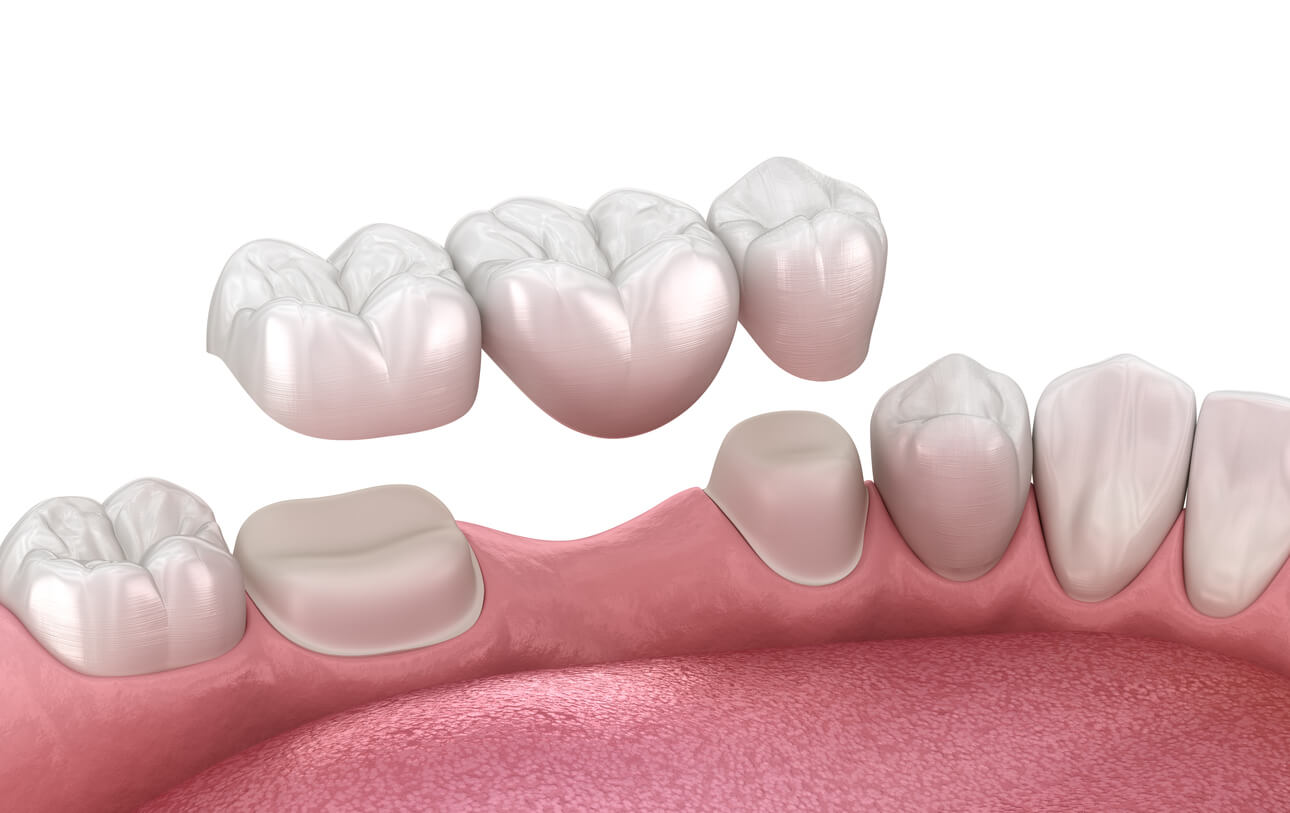
A dental bridge is a fixed dental restoration that replaces a missing tooth or several missing teeth in a row. It typically includes one or more artificial teeth, called pontics, that are supported by the natural teeth or dental restorations on either side of the gap. In some cases, the bridge may also be supported by dental implants.
Think of it like a small span over a creek. The open space is the gap from the missing tooth. The support on either side keeps the replacement tooth secure in the middle. Once placed, a bridge is designed to look natural and help your bite work more normally again.
Dental bridges are often recommended when a patient has healthy support structures around the missing tooth and wants a stable, non-removable option. Unlike dentures, which come out, most bridges stay in place. That makes them appealing to people who want something that feels more like their natural teeth.
A bridge can be used for front teeth, back teeth, or multiple teeth depending on the situation. The right design depends on where the gap is, how strong the surrounding teeth are, and what your overall oral health looks like.
Why Missing Teeth Should Not Be Ignored
It is easy to think, “It is just one tooth in the back. No one can see it.” But your mouth is a system, and every tooth has a job. When one is missing, the nearby teeth can begin to shift into the empty space. Opposing teeth may start to move too. Over time, that can affect your bite and create uneven wear.
Missing teeth can also make chewing less efficient. You may find yourself avoiding steak, apples, nuts, or other foods that take effort. Some patients adapt without realizing it, chewing only on one side for months or years. That kind of compensation can put extra strain on your jaw and surrounding teeth.
There is also the matter of speech. Depending on the location of the missing tooth, certain sounds may come out differently. And of course, there is confidence. Even people who are not especially self-conscious can feel the shift when they start hiding their smile in photos or covering their mouth when they laugh.
Replacing a missing tooth is not about vanity. It is about restoring something your mouth was built to have.
How Dental Bridges Work
Dental bridges work by anchoring a replacement tooth into the space where a natural tooth used to be. In a traditional bridge, the teeth on either side of the gap are prepared and fitted with crowns. Those crowns support the artificial tooth between them.
Once the bridge is cemented into place, it acts as one connected unit. The replacement tooth fills the visible gap, while the supporting crowns help hold everything steady. The result is a restoration that can improve both appearance and function.
Because a bridge is custom-made, it is shaped and shaded to blend with your natural smile. It is not a one-size-fits-all appliance. It is designed for your mouth, your bite, and your specific needs.
Patients often like bridges because they feel secure. There is no taking them out at night, no adhesive, and no learning curve like there can be with some removable options. Once you adjust, it often becomes part of the background of daily life, which is exactly what most people want.
Types of Dental Bridges
There is more than one kind of bridge, and the best choice depends on your oral health, the location of the missing tooth, and your treatment goals. A dentist will recommend the type that makes the most sense for your situation.
Understanding the main types can help you know what to expect when discussing your options.
Traditional Dental Bridges
Traditional dental bridges are the most common type. They use crowns on the natural teeth on both sides of the gap, with an artificial tooth in between. This design is strong and reliable, especially for replacing teeth in areas that handle a lot of chewing force.
These bridges are often a good fit when the neighboring teeth already need crowns or have enough structure to support the restoration. They are widely used because they have a long track record and can offer excellent function and appearance.
Cantilever Bridges
A cantilever bridge is supported on only one side of the missing tooth. This type is less common and is usually used only in specific situations where there is support on one side but not the other.
Because of the way force is distributed, cantilever bridges are not ideal for every area of the mouth. They require careful planning. In the right case, though, they can still be an effective solution.
Maryland Bridges
Maryland bridges use a replacement tooth that is attached to a metal or porcelain framework bonded to the backs of adjacent teeth. These are often considered a more conservative option because they may require less alteration of the neighboring teeth.
They are sometimes used for front teeth, where biting pressure is lower and aesthetics matter a great deal. That said, they are not the best fit for every patient or every location in the mouth.
Implant-Supported Bridges
An implant-supported bridge is held in place by dental implants rather than natural teeth. This option can be especially useful when several teeth are missing in a row. Instead of putting stress on adjacent natural teeth, implants provide support from within the jawbone.
This type of bridge can offer excellent stability and may help preserve bone in the area of missing teeth. It usually involves a longer treatment process, but for some patients, it is the most durable and biologically sound choice.
Who Is a Good Candidate for a Dental Bridge?
A good candidate for a dental bridge is someone with one or more missing teeth and healthy support available nearby. That support may come from natural teeth, implants, or a combination depending on the treatment plan.
Your gums and surrounding teeth need to be in reasonably good condition. If there is active gum disease, severe decay, or instability in the supporting teeth, those issues usually need to be treated first. A bridge is only as strong as what holds it up.
Bridges can be a good option for patients who want a fixed restoration and are not interested in removable dentures. They may also make sense for people who want to restore chewing comfort and avoid the shifting that often follows tooth loss.
At a family dental practice like Michelle Munoz, DDS, the conversation is rarely just about the missing tooth. It is about the whole picture: your health, your habits, your timeline, and what will serve you well five or ten years from now.
What Is the Process for Getting a Dental Bridge?
Getting a dental bridge usually takes more than one visit. The exact process can vary, but it often begins with an exam, digital imaging or X-rays, and a conversation about your options.
If a traditional bridge is planned, the supporting teeth are prepared so crowns can fit over them properly. Impressions or digital scans are then taken to create the custom bridge. A temporary restoration may be placed while the final bridge is being made.
At the next visit, the permanent bridge is checked for fit, appearance, and bite. Small adjustments may be made so it feels comfortable and functions properly. Once everything looks right, the bridge is cemented into place.
Most patients need a short adjustment period. Your mouth notices even small changes. Biting into a sandwich or saying certain words may feel a little different at first, but that usually fades as the bridge begins to feel natural.
Benefits of Dental Bridges
One of the biggest benefits of dental bridges is that they restore your smile without leaving an obvious gap. For many patients, that visual change alone is a relief. They can smile, talk, and eat without feeling like the missing tooth is the first thing anyone notices.
But the advantages go beyond appearance. A bridge can help restore chewing ability, support clearer speech, and keep nearby teeth from drifting out of position. It can also help maintain the shape of your face by filling in spaces that would otherwise contribute to changes over time.
Bridges are also custom-made, which means they are designed to blend with the rest of your teeth. A well-made bridge should not look like an afterthought. It should look like it belongs there.
For many people in Uvalde and surrounding communities, a bridge is a practical middle ground: more stable than a removable option, often more straightforward than other treatments, and capable of making everyday life easier.
How Long Do Dental Bridges Last?
Dental bridges can last many years, especially when they are well-designed and properly maintained. While there is no universal expiration date, many bridges remain functional for a decade or longer.
Their lifespan depends on several factors, including the health of the supporting teeth and gums, your bite, whether you grind your teeth, and how well you care for the restoration at home. Even the strongest bridge can run into trouble if plaque builds up around it or if the supporting teeth develop decay.
That is why routine dental visits matter. Regular checkups help catch small issues before they become bigger ones. Professional cleanings also help protect the areas around the bridge that can be harder to keep clean.
A bridge is not fragile, but it is not invincible either. Treat it like part of your mouth, because that is exactly what it becomes.
How to Care for a Dental Bridge
Caring for a dental bridge means caring for the teeth and gums around it. You should brush twice a day, floss daily, and follow any specific hygiene instructions your dentist gives you. Special floss threaders or other cleaning aids may be recommended to clean under the bridge.
This matters because food and plaque can collect in the spaces around the restoration. If those areas are neglected, the supporting teeth and gums can suffer. The bridge itself may be artificial, but the foundation underneath it is very real and needs protection.
It also helps to be mindful of habits like chewing ice, biting pens, or using your teeth as tools. Those are bad ideas for natural teeth and no better for dental work. If you clench or grind, a nightguard may be recommended to protect your bridge and the rest of your smile.
Routine visits for cleanings and exams are part of bridge maintenance too. A bridge is not a “set it and forget it” solution. It is a dependable restoration that does best with steady care.
Dental Bridges vs. Other Tooth Replacement Options
When patients ask what dental bridges are, they are often also asking a second question underneath it: “Should I get one, or is there a better option?” The answer depends on your needs.
Compared with removable dentures, bridges typically feel more secure and natural because they stay in place. They do not require removal for cleaning in the same way, and many patients find them easier to adapt to.
Compared with dental implants, traditional bridges may involve a shorter treatment timeline and can be a strong option when neighboring teeth already need crowns. Implant-supported solutions, on the other hand, may preserve more of the natural tooth structure nearby and can help support bone health.
There is no one-size-fits-all winner. A bridge is not automatically better than an implant or denture, and vice versa. The best treatment is the one that fits your mouth, your health, and your priorities.
Choosing the Right Dental Care in Uvalde, TX
If you are considering a bridge, the quality of the planning matters just as much as the restoration itself. Replacing a missing tooth is not just about filling space. It is about making sure your bite works, your smile looks natural, and your oral health is supported for the long haul.
At Michelle Munoz, DDS, patients in Uvalde and nearby communities can expect care that feels personal rather than rushed. That matters when you are making decisions about restorative dentistry. You want answers. You want honesty. And you want treatment that makes sense for your everyday life, not just on paper.
Whether you are missing a front tooth, a molar, or several teeth in a row, a dental bridge may be worth exploring. The right exam can tell you what is possible and what will work best for your smile.
Final Thoughts on What Dental Bridges Are
So, what are dental bridges? They are fixed restorations that replace missing teeth by spanning the gap and restoring support, function, and appearance. They can help you chew more comfortably, keep your teeth aligned, and bring your smile back into balance.
For some patients, a bridge is the difference between constantly thinking about a missing tooth and barely thinking about it at all. That is the goal. Good dentistry should solve problems in a way that feels natural, steady, and lasting.
If you are in Uvalde, TX and want to learn whether a dental bridge is right for you, contact Michelle Munoz, DDS to schedule an appointment. A healthier, more complete smile may be closer than you think.