

If you have ever been told you might need a crown, the phrase can sound bigger and more intimidating than it really is. A lot of patients hear it and picture something complicated, expensive, or reserved for major dental problems. In reality, a dental crown is one of the most common and practical ways a dentist can protect and restore a tooth that has been weakened, damaged, or worn down.
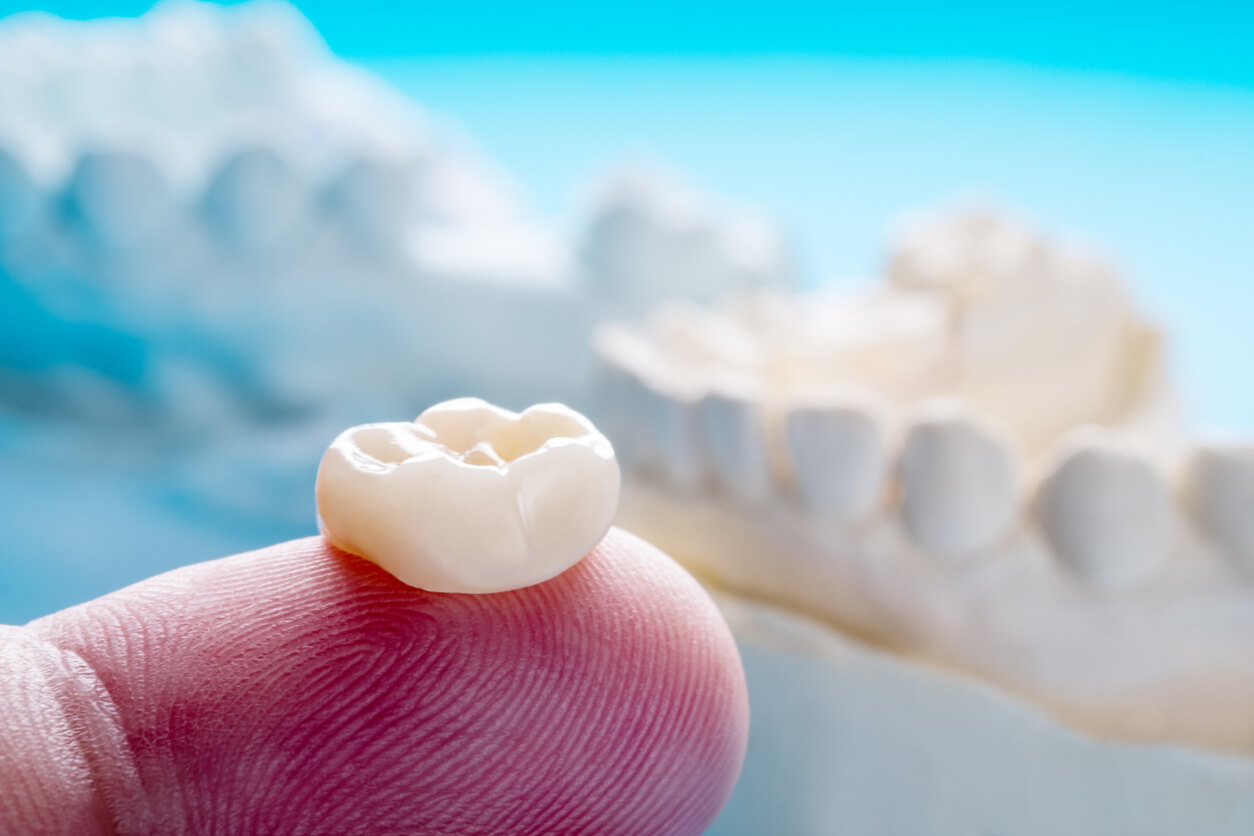
So, what is dental crown treatment really about? In simple terms, a dental crown is a custom-made cover that fits over a tooth to restore its shape, strength, and appearance. Some people still call it a dental cap, which is not a wrong way to think about it. It covers the visible part of the tooth above the gumline and helps that tooth function more normally again.
At a family-focused dental office, crowns are often recommended not because a tooth is hopeless, but because it is worth saving. A crown protects a damaged tooth the way a well-fitted helmet protects a vulnerable head. It does not turn back time, but it can give a compromised tooth a second chance.
What a Dental Crown Does
A dental crown is a type of dental restoration designed to strengthen and protect a tooth when a filling alone is not enough. If too much tooth structure has been lost from decay, fracture, wear, or a previous procedure, the remaining tooth may not be strong enough to stand up to normal biting pressure. That is where crowns come in.
A crown fits over the prepared tooth and becomes the new outer surface. It can help restore chewing function, improve appearance, and reduce the risk of further breakage. When a crown fits well, it blends into your bite and helps the tooth work alongside your other teeth instead of against them.
For many patients, the biggest benefit is that the crown protects a weakened tooth before it turns into a more painful and expensive problem. A weak tooth may still be saveable today, but if it cracks further tomorrow, the treatment options can narrow fast.
When a Dentist May Recommend a Crown
There are several reasons a dentist may say you need a crown. One of the most common is a damaged or decayed tooth that cannot be repaired predictably with standard filling material alone. If a cavity is too large, or if a tooth has already had multiple large fillings over the years, there may not be enough healthy tooth structure left to support another filling.
A crown may also be recommended for a broken tooth, a cracked tooth, or a damaged tooth that has lost strength from trauma. Sometimes the outside of the tooth looks only mildly worn, but the bite pressure on that area tells a different story. Back molars especially take a beating over time.
Crowns are also common after a root canal. Once a tooth has had a root canal, it can become more brittle and more likely to fracture. In many cases, placing a permanent crown afterward helps protect the tooth from splitting under pressure.
A dentist might also use a crown to restore a dental implant, anchor certain dental bridges, or improve the look of misshapen or severely discolored teeth when other options are not ideal. In short, crowns are used when a tooth needs more than a patch. It needs structure.
Signs You May Need a Crown
You do not always know on your own that you need a crown, but some signs can point in that direction. You may feel pain when chewing, notice a visible crack, or realize that a tooth with old dental work seems unstable. Some patients describe the feeling as if the tooth is “giving a little” when they bite.
You may also need a crown if a tooth has a large cavity, if a filling keeps failing, or if part of the tooth has chipped away. A decayed tooth can sometimes be restored with a filling, but when too much enamel and inner support are gone, the better long-term answer may be a crown.
In other cases, there is no dramatic symptom at all. During regular dental visits, your dentist may notice wear patterns, fractures, or thinning tooth structure that suggest the tooth is at risk. That early catch can make all the difference for your oral health.
Types of Dental Crowns
There is no one-size-fits-all answer when it comes to the types of dental crowns. Different crown material options are used for different needs, and the right choice depends on the location of the tooth, bite force, cosmetic goals, and budget.
Understanding the types of dental crowns can help you feel more prepared when discussing treatment. Some crowns are chosen because they look the most like natural teeth. Others are selected because they are especially durable. In many cases, the best crown type is the one that balances strength, appearance, and long-term performance for your specific mouth.
Porcelain and Ceramic Crowns
Porcelain crowns and ceramic crowns are popular because they can closely match the color and translucency of natural teeth. These are often used for front teeth and other visible areas where aesthetic concerns matter most. Patients who want a more seamless smile often prefer all porcelain or ceramic-based options.
All porcelain crowns can look very natural, especially in areas where light reflection matters. Ceramic crowns are also metal-free, which appeals to some patients who want a highly esthetic restoration. In the right case, all porcelain crowns are an excellent fit for front and back teeth, though the bite and tooth location must be considered carefully.
Some people use the terms porcelain crowns, ceramic crowns, and all porcelain crowns interchangeably, but your dentist can explain the subtle differences between systems and materials. The important point is that crowns made from porcelain can be both attractive and functional.
Porcelain Fused to Metal Crowns
Porcelain fused to metal crowns, often called pfm crowns, combine a metal base with a porcelain outer layer. This design aims to deliver strength underneath and a more natural appearance on the outside. For years, pfm crowns were a very common option because crowns combine durability and esthetics in a practical way.
That said, porcelain fused to metal restorations are not perfect for every situation. Over time, some patients notice wear, chipping, or a dark line near the gum if the gum tissue recedes. That dark line is one reason some people now prefer all porcelain or ceramic crowns in highly visible areas.
Still, pfm crowns remain a reliable option in many cases. If you need a crown in an area that requires strength but still shows when you smile, porcelain fused to metal may still be part of the conversation.
Metal Crowns and Gold Crowns
Metal crowns are known for strength and longevity. These may include gold crowns, metal crowns made from gold alloy, or other durable metals. Gold crowns are not as commonly requested for visible teeth today, but they remain a respected option, especially for back molars where biting force is intense.
One reason dentists still appreciate gold crowns is that they rarely break and tend to wear in a way that is kind to opposing teeth. They can be an excellent choice when function matters more than appearance. In the right patient, metal crowns can last a very long time.
If you hear about gold alloy or gold crowns, do not assume they are outdated. They are simply more specialized now, often used when a patient values durability and precision over a tooth-colored finish.
Zirconia and Other Modern Materials
Zirconia crowns have become increasingly popular because they offer impressive strength and a tooth-colored appearance. For patients who want a balance between toughness and cosmetics, zirconia can be a strong contender. Some crowns made from zirconia work especially well in areas that take heavy chewing pressure.
There are also crowns made from composite resin, though these are generally less durable than porcelain, ceramic, or metal-based options. Composite resin may be used in limited situations or as part of a temporary or more budget-conscious approach, but it is usually not the first choice for a long-lasting final crown.
When comparing different materials, it helps to remember that the best crown material is not universal. The right material for front teeth may not be the right material for back molars.
The Dental Crown Procedure
The dental crown procedure usually takes two visits, although same day dental crowns are available in some offices depending on technology and the case. For a traditional dental crown procedure, the first appointment focuses on preparing the tooth and taking records so the crown can be fabricated.
During that first visit, the dentist removes any decay, checks the strength of the remaining tooth structure, and reshapes the tooth so the crown fits properly. This step often includes enamel removal, because the crown needs room to sit over the tooth without making it bulky or throwing off your bite.
Once the tooth is prepared, impressions or digital scans are taken and sent to a dental lab. The dental lab uses those records to create the new crown. Since the final crown is not ready the same day in many cases, you will usually wear a temporary crown while the permanent crown is being made.
What Happens With the Temporary Crown
A temporary crown is a short-term cover placed over the prepared tooth to protect it between visits. It is not as strong as the permanent crown, but it serves an important purpose. It helps protect the tooth, reduces sensitivity, and keeps the space stable while your custom restoration is being made.
Most patients wear a temporary crown for two to three weeks, though timing can vary. During that period, you may be told to avoid very sticky or hard foods on that side. A temporary crown can come loose more easily than the final version, so a little caution matters.
Some temporary sensitivity is normal during the first few weeks, especially with hot or cold foods. If you feel pain that is sharp, persistent, or worsening, you should contact your dentist. Mild awareness is one thing. Significant pain is another.
Getting the Permanent Crown Placed
At the second visit, the temporary crown is removed and the new crown is checked for fit, color, contour, and bite. Your dentist will make sure the crown fits comfortably against neighboring teeth and does not hit too hard against opposing teeth.
Once everything looks right, the permanent crown is cemented into place. After that, the tooth should feel more stable and protected. A new crown may feel a little different at first simply because it is new, but it should not feel awkward for long.
In some cases, a patient may need a minor bite adjustment after the appointment. That is not unusual. A well-placed new crown should support chewing function, not interfere with it.
Crowns and Root Canal Treatment
A root canal and crown often go hand in hand. After a root canal, the inside of the tooth has been treated, but the outside still needs support. If a tooth has significant damage, decay, or a large access opening from treatment, a crown is often the best way to protect it.
Think of it this way: a root canal addresses the internal problem, while the crown restores the outer shell. Without that added protection, a weakened tooth may be at higher risk of fracture later.
Not every root canal tooth needs the same restoration, but many do benefit from a permanent crown, especially in the back of the mouth where bite pressure is stronger.
Crowns, Dental Implants, and Dental Bridges
A dental crown is not only used on a natural tooth. It can also be the visible top portion of a dental implant. If you have tooth loss and replace a missing tooth with an implant, the implant acts as the root and the crown becomes the part you see and chew with.
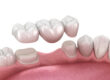
Crowns are also used with dental bridges. In a traditional bridge, crowns are placed on the supporting teeth and hold the replacement tooth in between. That means crowns can play a role not just in saving a tooth, but in rebuilding a smile after a missing tooth.
Whether used for a natural tooth, a dental implant, or dental bridges, the goal is the same restoration of function, comfort, and appearance.
How Long Do Crowns Last?
There is no exact expiration date on crowns. Some last many years, and some last much longer with proper care. Longevity depends on the crown type, the material used, your bite, oral hygiene, clenching habits, and whether gum disease or decay develops around the tooth.
A new crown is durable, but it is not indestructible. You can still chip porcelain, damage a crown by grinding, or develop decay at the edge if plaque builds up over time. That is why healthy teeth and healthy gums around the crown matter just as much as the crown itself.
If you notice wear, sensitivity, looseness, or a change in the way the crown feels, do not ignore it. Crowns made well can serve patients for a long time, but they still need monitoring during regular dental visits.
How to Care for a Crown
Caring for a crown is not dramatically different from caring for your natural teeth. You still need to brush thoroughly, floss daily, and keep up with checkups. The crown itself cannot decay, but the tooth underneath and around it still can.
Good oral health habits help preserve both the crown and the surrounding healthy tooth structure. Proper care also lowers the risk of gum disease, which can affect the support around crowned teeth. If the gum tissue becomes unhealthy, even an excellent restoration can run into trouble.
Avoid chewing ice, opening packages with your teeth, or repeatedly biting very hard foods if your dentist has warned you about a weak tooth or heavy bite. A little caution protects your investment.
What About Dental Crown Cost?
Dental crown cost varies based on multiple factors, including the crown material, the location of the tooth, whether additional treatment like a root canal is needed, and what your insurance plan covers. A front tooth crown and a back tooth crown may involve different considerations, and same day dental crowns may be priced differently depending on the office and technology.
It is understandable to focus on price, but it helps to think in terms of value too. If a crown saves a damaged tooth and prevents extraction or more extensive treatment later, it may be the more cost-effective path over time.
A good dental professional will walk you through the options clearly. If you have questions about dental crown cost, ask what is included, what material is being recommended, and why that crown type makes sense for your situation.
Are Crowns Right for Everyone?
Crowns are extremely useful, but they are not automatically the right answer in every case. Sometimes a filling is enough. Sometimes a tooth is too badly damaged to save and other treatment may be needed. The decision depends on how much healthy tooth structure remains, the condition of the roots, the state of the gums, and your overall oral health.
That is why an exam matters. The American Dental Association supports individualized care, and a qualified dentist will evaluate the whole picture before recommending treatment. If you have aesthetic concerns, bite issues, or a history of grinding, those details matter too.
If you have been told you may need a crown, the best next step is not guessing online forever. It is getting a clear, practical evaluation from a dentist who can explain what is happening with your tooth and what options make the most sense.
Final Thoughts on What Is Dental Crown Treatment
So, what is dental crown treatment in the simplest sense? It is a way to save and strengthen a tooth that can no longer hold up on its own. Whether the issue is a cracked tooth, a damaged tooth, a decayed tooth, or the need to restore a tooth after a root canal or dental implant, a crown can provide protection, function, and a more natural appearance.
Modern crowns made from all porcelain, porcelain fused to metal, ceramic, zirconia, gold alloy, or other different materials give patients more options than ever before. The right choice depends on your bite, your goals, and the condition of the tooth in question.
If you suspect you need a crown, or if you have a damaged or decayed tooth that has been bothering you for a few weeks, it is worth having it checked before the problem gets worse. In many cases, acting early helps preserve more healthy tooth structure and keeps treatment simpler. For patients looking for thoughtful, family-centered care, talking with a trusted local dentist is the best place to start.