

If you’ve noticed a hard, yellowish buildup on your teeth that won’t come off with brushing, you’re dealing with tartar. This common dental issue affects most people at some point, and understanding how to address it is key to maintaining a healthy smile.
What Is Tartar and Why Does It Form?
Tartar, also called dental calculus, is a hardened plaque that has mineralized on your teeth. While everyone develops plaque–that sticky film you feel on your teeth between brushings–tartar forms when plaque isn’t removed regularly and begins to harden.
The process happens faster than you might think. Plaque can start hardening into tartar within 24 to 72 hours of forming. Once it calcifies, tartar creates a rough surface that attracts more plaque and bacteria, making the problem worse over time.
Tartar typically appears as a yellow or brown deposit along the gum line, though it can also develop below the gums where you can’t see it. Unlike plaque, which you can remove with good oral hygiene, tartar requires professional intervention.
Signs You Have Tartar Buildup
Recognizing tartar early makes treatment easier. Watch for these common signs:
- Visible yellow, brown, or black deposits on your teeth, especially near the gum line
- Persistent bad breath that doesn’t improve with brushing
- Red, swollen, or bleeding gums when you brush or floss
- A rough, crusty feeling on your teeth that your tongue can detect
If you notice these symptoms, it’s time to schedule a cleaning. Left untreated, tartar can lead to cavities, gum disease, and even tooth loss.
Professional Tartar Removal: The Only Safe Option
Here’s the straightforward truth: once tartar forms, only a dentist or dental hygienist can safely remove it. This isn’t just a matter of having the right tools, it requires specific training to remove tartar without damaging your teeth and gums.
How Dentists Remove Tartar
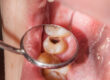
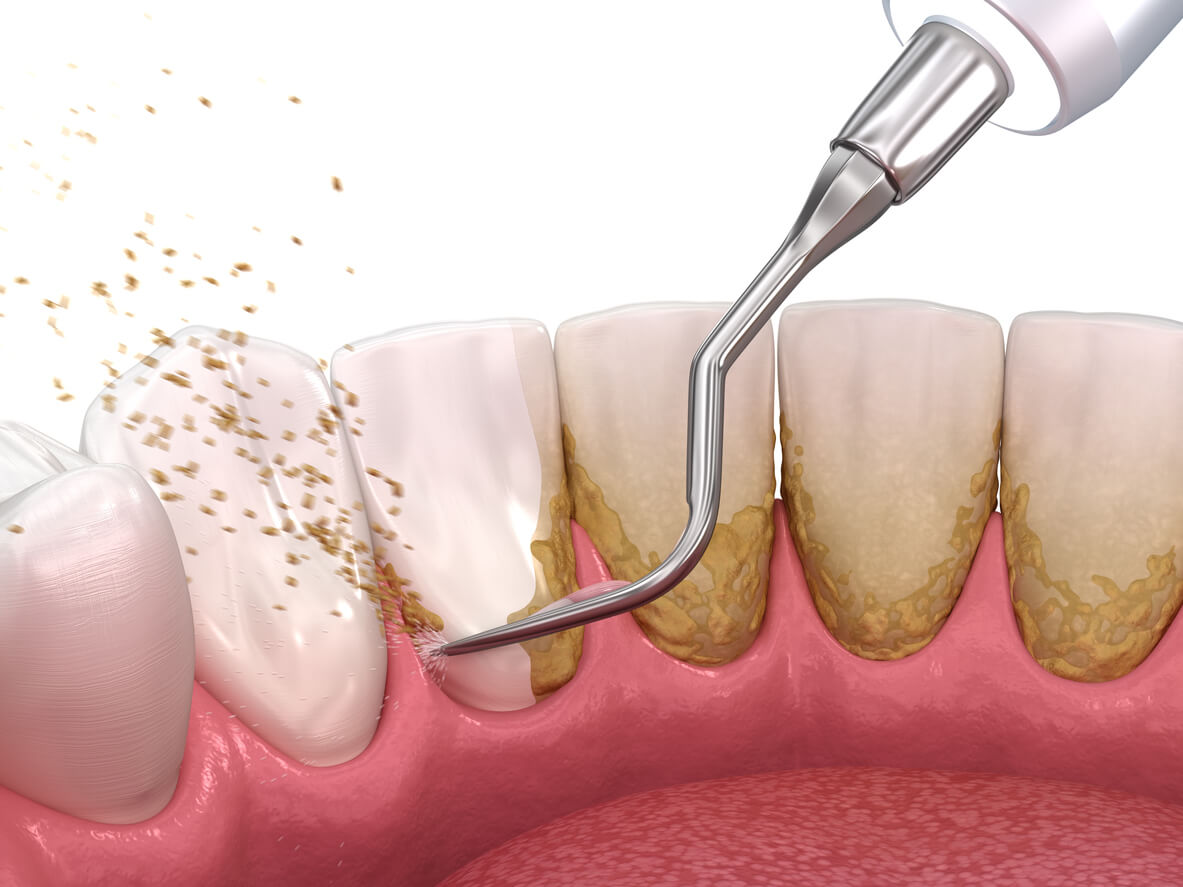
During a professional cleaning, your dental hygienist uses a process called scaling. This involves specialized instruments that carefully scrape away tartar deposits from above and below the gum line. The process typically includes:
- Manual scaling with hand instruments to remove larger deposits
- Ultrasonic scaling for stubborn buildup, using vibrations and water to break apart tartar
- Polishing to smooth the tooth surface and remove minor stains
- Flossing to clear any remaining debris between teeth
For most people, a cleaning every six months keeps tartar under control. However, if you’re prone to rapid tartar buildup or have signs of gum disease, more frequent visits may be necessary.
Why You Shouldn’t Try DIY Tartar Removal
You might see tartar removal tools available for purchase online, but attempting to use them at home is risky. Without proper training, you can:
- Scratch or damage your tooth enamel
- Injure your gums and cause bleeding
- Push bacteria deeper below the gum line
- Miss hidden tartar deposits that only professionals can detect
The temptation to scrape off visible tartar yourself is understandable, but the potential damage isn’t worth the risk. Professional dental cleanings are far safer than DIY attempts.
Prevention: Your Best Defense Against Tartar
Since tartar removal requires a dental visit, preventing it in the first place is your smartest strategy. These daily habits make a significant difference:
Brush Effectively
Brush your teeth twice a day for at least two minutes each time. Use a soft-bristled toothbrush and fluoride toothpaste. The two-minute timeframe isn’t arbitrary, it gives fluoride time to strengthen your enamel and ensures you reach all tooth surfaces.
Pay special attention to the gum line, where tartar tends to form. Angle your brush at 45 degrees toward your gums and use gentle circular motions.
Floss Daily
Brushing alone misses about 40% of your tooth surfaces, specifically, the areas between teeth where tartar frequently develops. Regular cleanings and checkups help maintain oral health, but daily flossing removes plaque from these hard-to-reach spots before it can harden into tartar.
Watch Your Diet
The bacteria that create plaque thrive on sugary and starchy foods. While you don’t need to eliminate these foods entirely, limiting them reduces plaque production. When you do eat sweets, brush within 30 minutes if possible.
Drinking water throughout the day also helps wash away food particles and bacteria before they can form plaque.
Use Antimicrobial Mouthwash
An alcohol-free antibacterial mouthwash can kill bacteria that contribute to plaque formation. Swish for 30 seconds twice daily, preferably after brushing and flossing.
Avoid Tobacco
Smoking and chewing tobacco significantly increase tartar formation. Tobacco users develop tartar faster and in greater amounts than non-users, and they’re at higher risk for gum disease.
What Happens If Tartar Isn’t Removed
Ignoring tartar buildup sets off a chain reaction of oral health problems:
- Cavities: Tartar creates an acidic environment that erodes tooth enamel, leading to decay.
- Gingivitis: Tartar irritates gums, causing inflammation, redness, and bleeding. This early stage of gum disease is reversible with professional cleaning.
- Periodontitis: Untreated gingivitis can progress to this serious gum disease, which damages the bone supporting your teeth. Advanced cases may require treatments beyond standard cleaning.
- Tooth loss: In severe cases, periodontal disease weakens teeth to the point where they become loose or fall out.
- Bad breath: The bacteria thriving in tartar deposits produce sulfur compounds that cause persistent bad breath no matter how often you brush.
Schedule Your Cleaning Today
Tartar removal isn’t something you can handle at home, but it’s also not something you should ignore. Professional dental cleanings are essential for preventing serious oral health issues down the road.
If it’s been more than six months since your last cleaning, or if you’ve noticed signs of tartar buildup, contact our office to schedule an appointment. We’ll assess your oral health, remove any tartar deposits, and help you develop a prevention plan tailored to your needs. Taking action now protects your smile for years to come.