


There’s a specific kind of wince that comes with biting into ice cream too fast or taking a sip of water that’s colder than you expected. If a jolt of pain shoots through a tooth every time something cold touches it, you’re dealing with one of the most common complaints dentists hear. It’s uncomfortable, it can make you dread your favorite foods, and it’s worth understanding rather than just working around.
The good news is that cold sensitivity almost always has a clear, identifiable cause, and most of those causes are manageable. The trick is knowing which kind of sensitivity is a minor annoyance and which kind is your tooth trying to tell you something more urgent.
Why Cold Suddenly Bothers Sensitive Teeth
To understand why are my teeth sensitive to cold, it helps to picture what’s happening underneath the surface. Your teeth are covered in a hard outer layer of enamel, and below the gumline, a similar protective layer called cementum covers the tooth root. Underneath both sits dentin, a softer layer riddled with microscopic tubules that run straight to the nerve at the center of the tooth.
When enamel or cementum wears thin, recedes, or cracks, those tubules are exposed to the outside world for the first time. Cold temperatures cause the fluid inside the tubules to shift rapidly, and that shift gets read by the nerve as a sharp, sudden pain. It’s a fast, almost electric sensation that fades once the cold source is gone.
This is an extremely common experience, not a rare or unusual one. Sensitivity like this shows up across all age groups and is one of the most frequent reasons people bring up a specific concern during a routine visit rather than waiting for their next scheduled checkup.
Common Causes of Cold Sensitivity
Cold sensitivity rarely comes out of nowhere. It’s almost always tied to one of a handful of everyday causes, and figuring out which one applies to you is the first step toward getting comfortable again.
Worn Enamel or Acidic Wear
Brushing too hard, using a stiff-bristled brush, or grinding through years of scrubbing can gradually wear down enamel faster than it should. Acidic foods and drinks like citrus fruit, coffee, and wine add to this by softening enamel every time they touch it, making it more vulnerable to wear over time.
Receding Gums
When gum tissue pulls back from the tooth, it exposes the root surface underneath, which has no enamel to protect it at all. This is one of the most common reasons people suddenly notice sensitivity in a tooth that never bothered them before.
A Cracked or Chipped Tooth
Even a hairline crack you can’t see or feel with your tongue can be enough to let cold reach the nerve. These cracks often happen gradually, from years of chewing stress or a small accident, and sensitivity is frequently the first sign something is wrong.
Early Tooth Decay
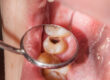
A cavity can cause sensitivity to cold well before it causes any other noticeable symptom. As decay eats through enamel, it opens a direct path for temperature changes to reach the nerve, which is why this cause deserves particular attention.
Recent Dental Work or Whitening
If you’ve recently had a filling, crown, or whitening treatment, some temporary sensitivity is normal and expected. This type typically fades on its own within a few days to a couple of weeks as the tooth settles.
Teeth Grinding (Bruxism)
Grinding, especially the kind that happens unconsciously during sleep, wears down enamel steadily over months and years. Many people don’t realize they grind until a dentist points out the telltale wear patterns on their teeth.
Is It Normal, or Does It Signal a Bigger Problem?
This is the question that actually matters, and it’s one that gets glossed over more often than it should. Not all cold sensitivity is created equal, and there are some fairly reliable signs that point toward one category or the other.
Sensitivity that’s likely mild and manageable at home tends to be brief, fading within a few seconds of the cold source being removed. It usually affects multiple teeth rather than just one, and it often lines up with something explainable, like a recent cleaning, a new whitening routine, or a cold snap in the weather.
Sensitivity worth calling a dentist about tends to look different. Pain that lingers well after the cold is gone, rather than fading quickly, is a signal worth paying attention to. So is sensitivity that’s isolated to one specific tooth instead of spread across several, pain that shows up when you bite down, or any visible dark spot, hole, or rough patch on the tooth itself. Sensitivity that keeps getting worse over the course of a few weeks, rather than staying steady or improving, also falls into this category.
It’s worth taking these signs seriously because hidden decay is more common than most people assume. According to the CDC’s most recent oral health surveillance data, nearly 21% of adults ages 20 to 64 have one or more permanent teeth with untreated decay. That’s not meant to alarm you, it’s meant to make the case that a dental visit to rule out a cavity is a reasonable, practical step rather than an overreaction.
Easing Cold Sensitivity at Home
While you’re figuring out whether a visit is needed, there are a few simple habits that can take the edge off. Switching to a soft-bristled toothbrush and using a gentler hand while brushing reduces further wear on enamel and gum tissue, which is often the root of the problem in the first place.
A desensitizing toothpaste can also help by gradually blocking the tubules that carry cold sensation to the nerve, though it typically takes consistent use over a couple of weeks to notice a difference. Cutting back on acidic foods and drinks, and avoiding biting directly into very cold foods like ice, gives your teeth a break while they recover.
Getting Lasting Relief in Uvalde
Home care can take the edge off, but it doesn’t fix the underlying cause of cold sensitivity. That’s really the job of a dental visit, and it’s often a more straightforward fix than people expect.
Regular cleanings and checkups are the foundation of catching problems like early decay or gum recession before they progress to the point of causing real discomfort. If enamel has thinned or roots have become exposed, fluoride treatments can help strengthen the remaining tooth structure and reduce sensitivity from the inside out. When the cause turns out to be a cavity or a cracked tooth, a filling or a crown resolves the problem directly rather than just masking it.
If cold sensitivity has been bothering you for more than a couple of weeks, or if it’s isolated to one tooth, the most useful next step is having it looked at rather than guessing. You can request an appointment with Michelle Munoz, DDS in Uvalde, and get a clear answer about what’s causing it and how to fix it for good.